
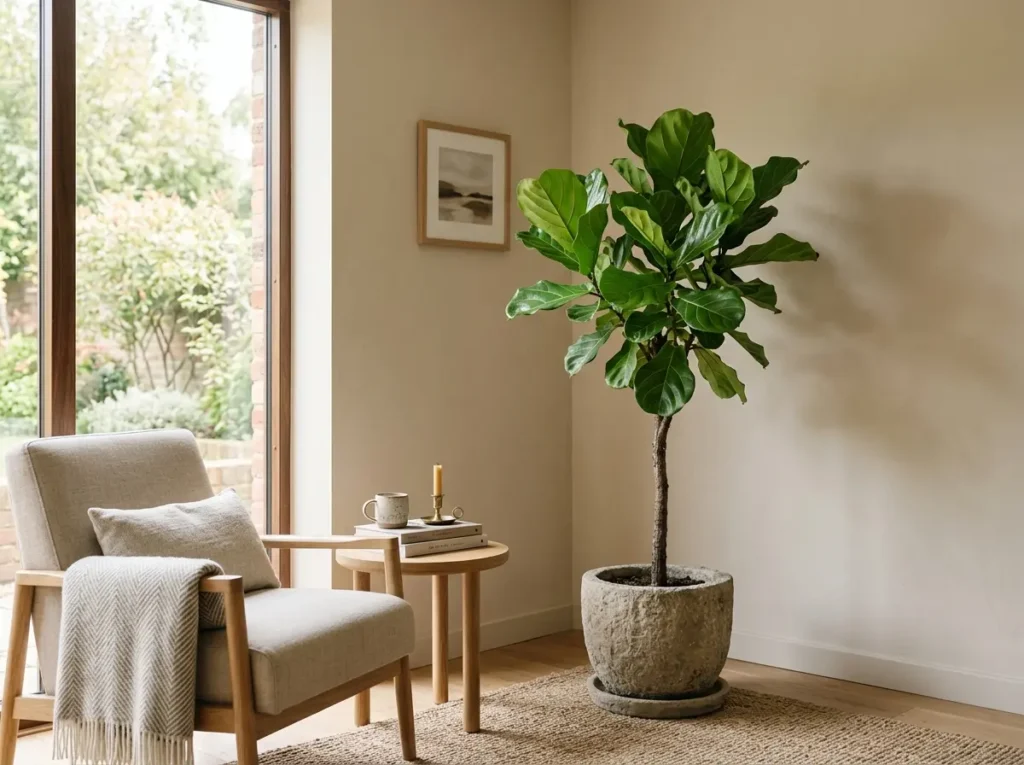
I didn’t actually believe plants could change how expensive a room looks until I swapped one plastic-potted snake plant for the exact same plant in a plain stone bowl. Same plant. Same spot. The room looked like it belonged in a different price bracket. That’s really the whole secret behind good indoor plant ideas, it’s rarely about buying more or rarer plants, it’s about how you’re presenting the ones you already have.
If your plants feel more “cluttered corner” than “designer touch” right now, these 15 indoor plant ideas should help.
Why a Few Plants Can Make a Room Look So Much Pricier
Plants do something furniture and paint can’t, they bring movement, texture, and a sense that someone actually lives in and cares for the space. A single well-placed plant in the right pot reads as intentional. A row of plastic-potted plants crammed on a windowsill reads as an afterthought. The plants aren’t the problem. The presentation usually is.
15 Indoor Plant Ideas Worth Trying
1. Go Big With One Statement Plant
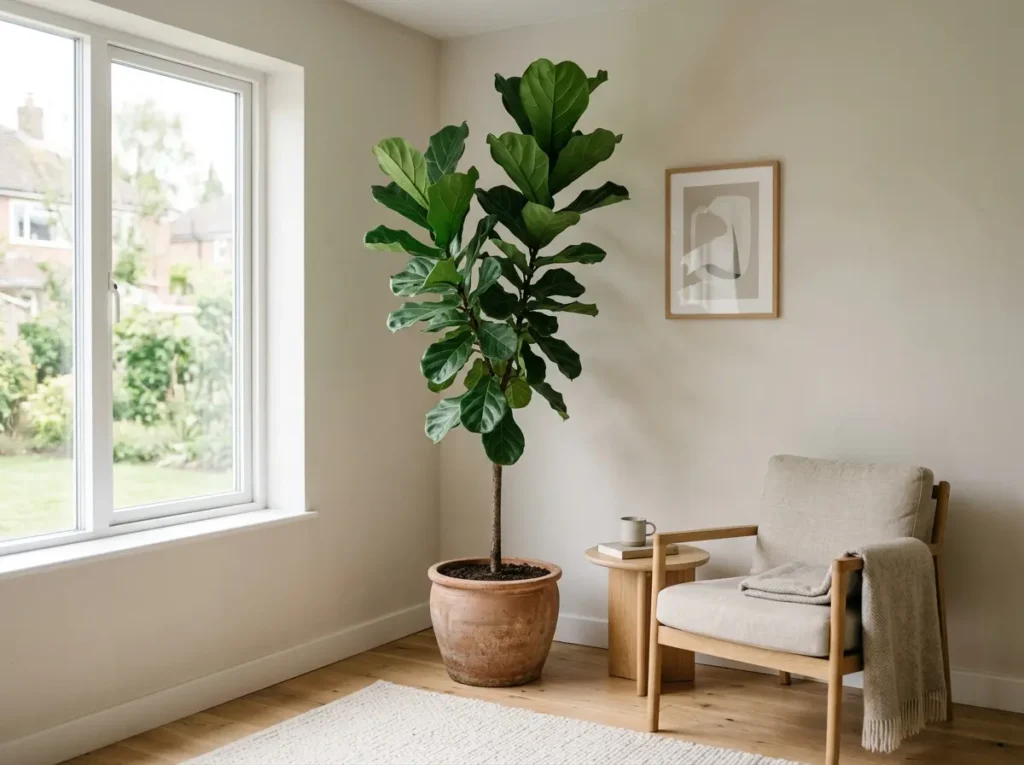
One large plant, a fiddle leaf fig, an olive tree, a bird of paradise, does more for a room than five small ones scattered around. It gives the eye one clear place to land instead of competing with everything else in the space.
2. Swap Plastic Pots for Stone or Ceramic
This is the cheapest, fastest fix on this entire list. The plastic nursery pot a plant comes in is never meant to be the final pot. A simple stone, concrete, or matte ceramic planter instantly changes how the whole plant reads, even if nothing else changes.
3. Use Matching Planters Throughout a Room
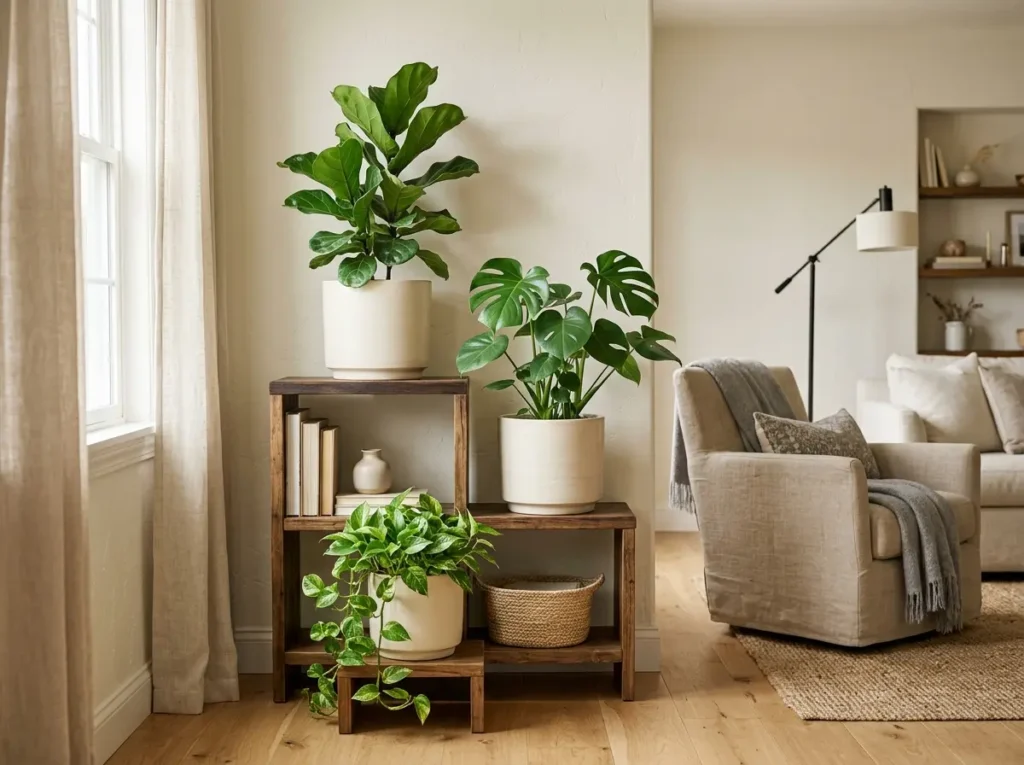
When every plant in a room sits in a different mismatched pot, it looks accidental. Pick one planter material and color, and use it across every plant in that space. It’s a small detail that quietly pulls a whole room together.
4. Elevate a Plant on a Stand
A plant sitting directly on the floor often gets visually lost. Putting it on a simple wood or wrought iron plant stand raises it to a height where it actually becomes part of the room’s design instead of just filling empty floor space.
5. Let a Trailing Vine Cascade From a High Shelf
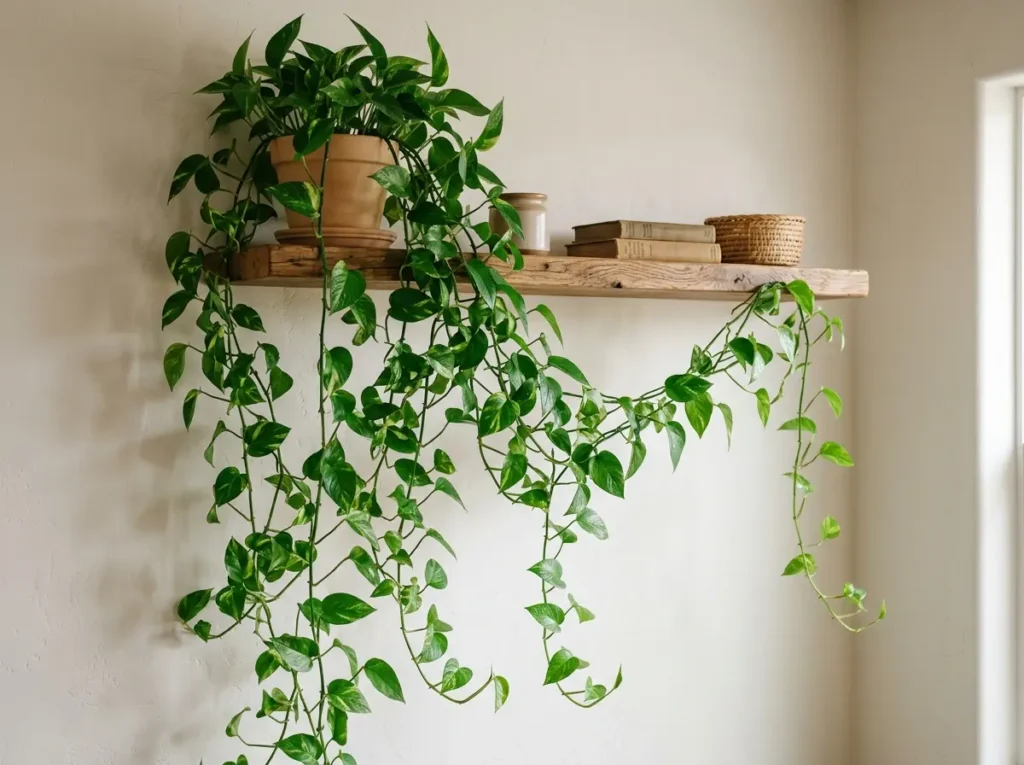
Pothos and philodendron look completely different once they’re given somewhere to trail. Placed on a tall shelf or bookcase, the vines cascade down naturally and add a softness that a plant sitting on a table never quite achieves.
6. Group Plants in Odd Numbers
Three plants of different heights almost always look more intentional than two or four. It’s a simple styling rule, but it works in plant corners the same way it works on a coffee table or shelf.
7. Add a Trimmed Topiary
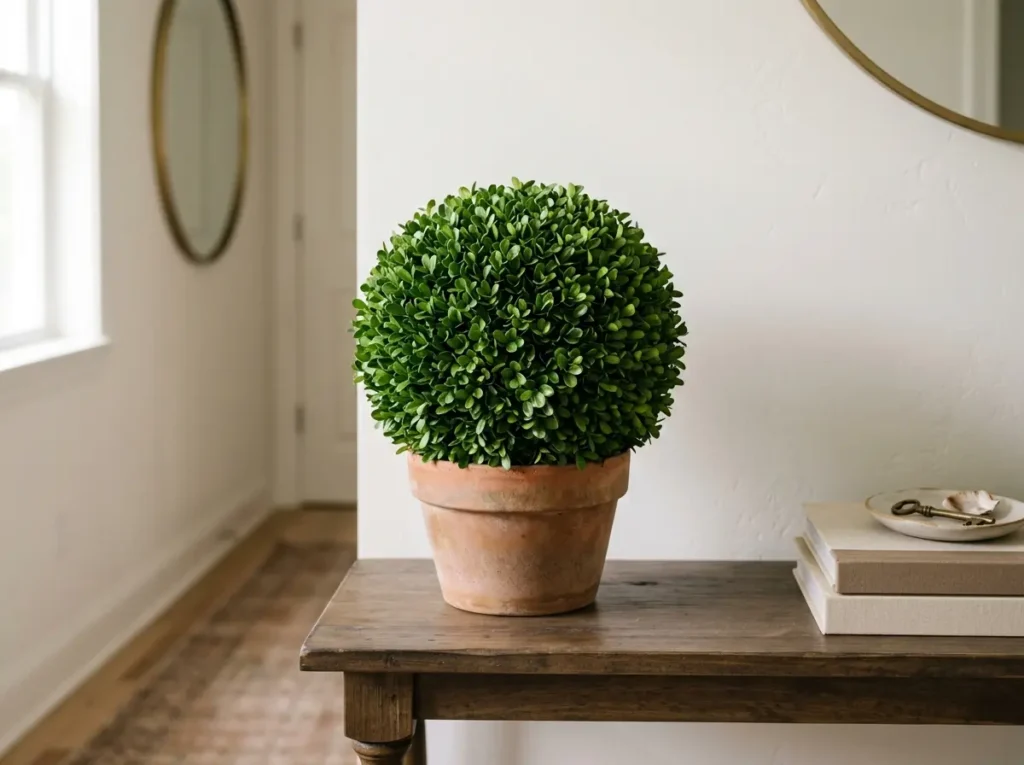
A neatly trimmed round or spiral topiary brings a sense of order that most other houseplants don’t. It works especially well on an entryway table or beside a doorway, where it reads as a deliberate styling choice rather than just greenery.
you can check at this link .It works especially well on an [entryway console table]https://thedecowhere it reads as a deliberate styling choice.rvibeofficial.com/small-console-table-ideas/
8. Mix Dried Branches With Live Plants
Pairing a tall vase of dried pampas grass or eucalyptus next to a live plant adds height and texture without needing another plant to water. The contrast between dried and living greenery also keeps a corner from looking flat.
9. Pick One Plant Family and Repeat It
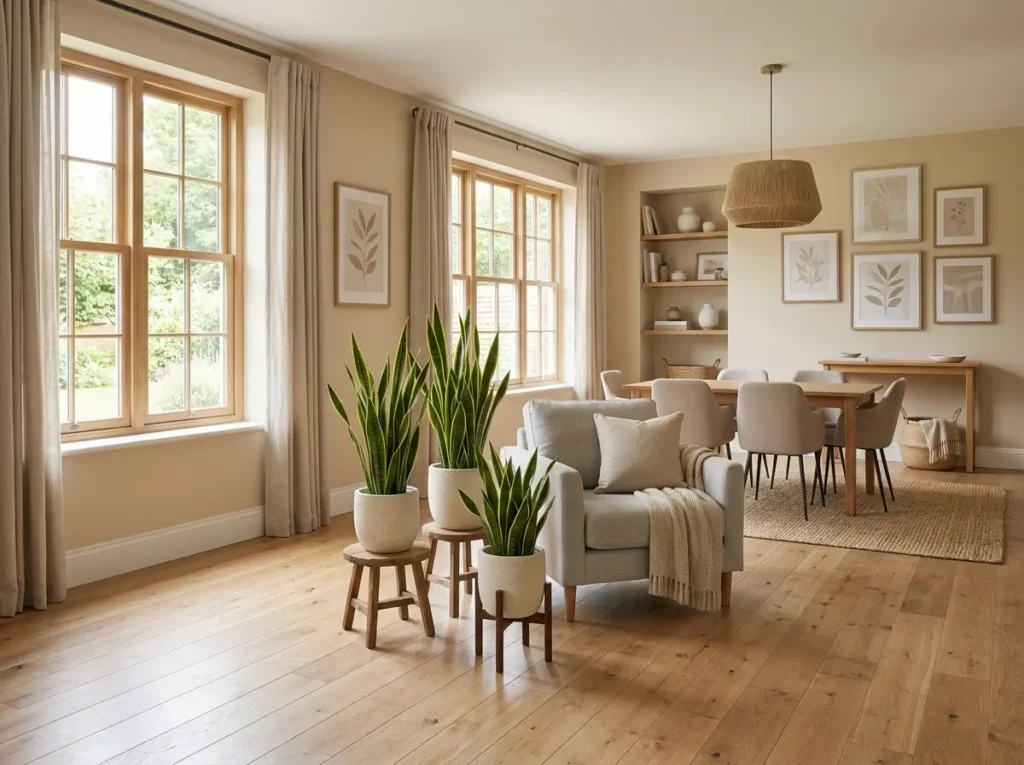
Using the same type of plant, snake plants, for example, in two or three rooms creates a quiet sense of cohesion as you move through the house. It feels curated rather than like each room was decorated separately.
10. Always Hide the Nursery Pot
Even with a nice outer planter, the plastic grow pot sometimes peeks out at the top. A layer of moss or simply pushing the plant down further fixes this in seconds and makes a real difference up close.
11. Try a Brass or Wrought Iron Plant Stand
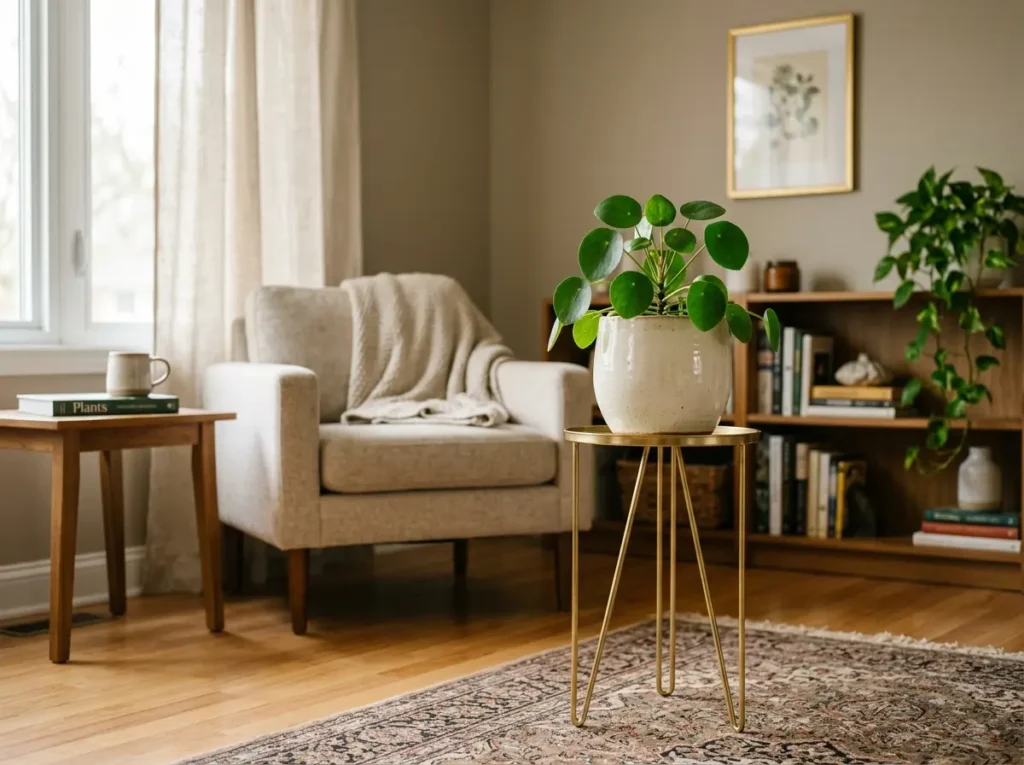
A thin metal stand in brass or black adds a small architectural detail under a plant that a plastic tray or bare floor never will. It’s a tiny upgrade that photographs beautifully.
12. Build a Mini Indoor Garden Corner
Instead of scattering single plants around a room, dedicate one corner to three or four plants of varying heights and pot styles. It becomes a focal point on its own rather than competing with the rest of the room’s decor.
13. Place Plants Where the Light Actually Flatters Them
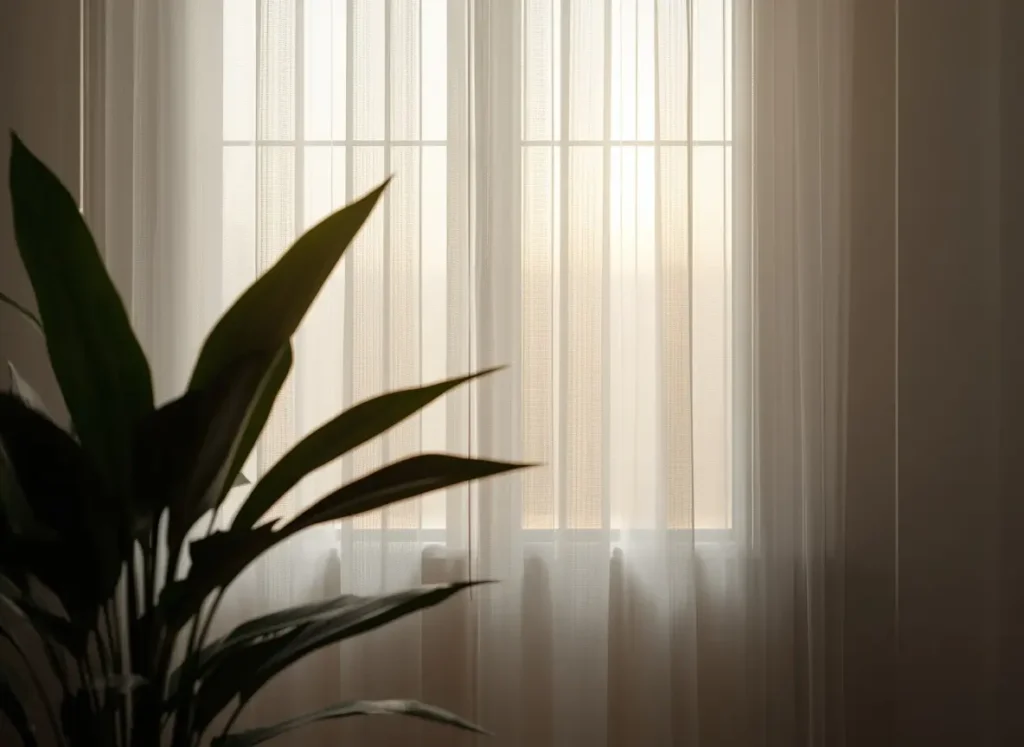
A plant tucked in a dim corner just looks like it’s struggling. The same plant placed near a window, where light catches its leaves, looks alive and styled. Light does a lot of the visual work here, more than people expect.
14. Try a Small Living Wall
A vertical plant wall, even just a few square feet, gives a small space the kind of “boutique hotel” feeling that’s hard to get any other way. It works particularly well in a tight hallway or above a console table where floor space isn’t available.
15. Let One Plant Be the Room’s Quiet Focal Point
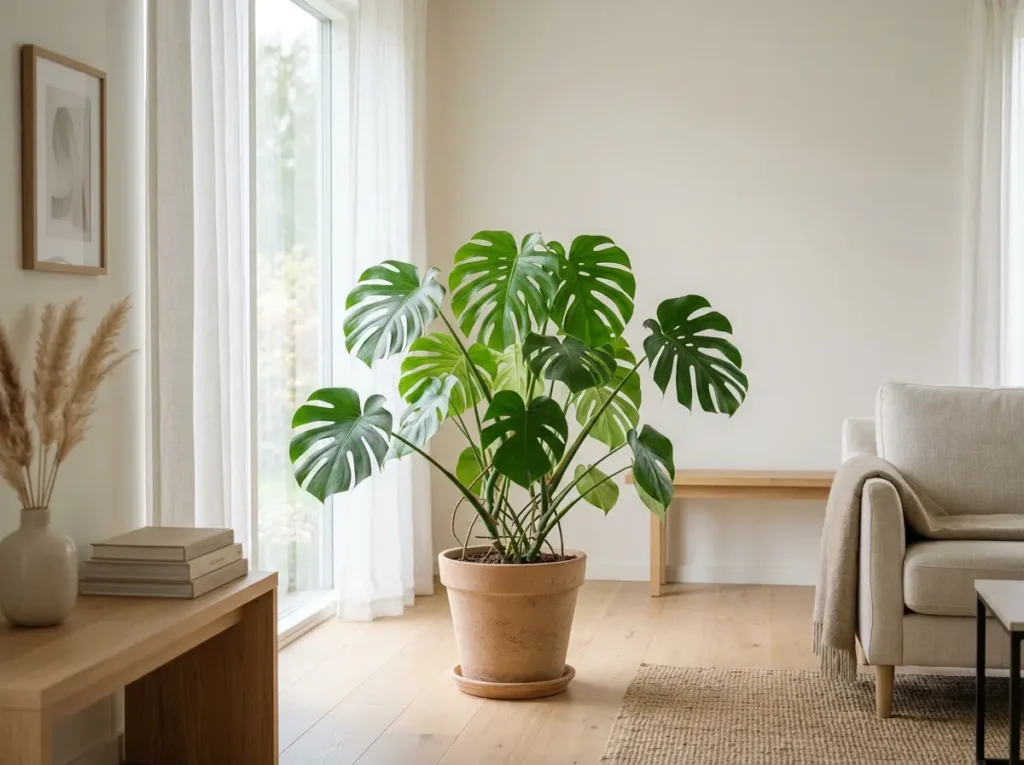
Not every plant needs to compete for attention. Choose one, usually the largest or most architectural one, and let it be the room’s main green statement, while the rest stay smaller and supporting.
Choosing the Right Plant for Each Room’s Light
Low-Light Rooms
Snake plants, ZZ plants, and pothos handle dim corners and north-facing rooms without complaint, which makes them the safest indoor plant ideas for rooms that don’t get much direct sun.
Bright, Sunny Spots
Fiddle leaf figs, rubber plants, and most succulents want as much light as they can get. Place these near your largest window for the healthiest growth and the best visual impact.
Mistakes That Make Plants Look Cheap Instead of Expensive
- Leaving the plastic nursery pot visible — even the most beautiful plant looks unfinished when it’s left in its original plastic container.
- Using too many small plants and no large statement plant — without one standout piece, your plant collection can feel scattered instead of intentional.
- Ignoring the light your plant actually needs — a drooping or unhealthy plant can quickly undo the fresh, styled look you’re trying to create.
- Mixing too many different planter styles — using a different pot for every plant makes the room feel cluttered rather than curated.
(See: my walk-in pantry styling guide)
FAQs About Indoor Plant Ideas
What’s the easiest way to upgrade my plants without buying new ones?
Repotting into a plain stone, concrete, or ceramic planter is the single fastest change, and it works on almost any plant you already own.
Do fake plants work for this look too?
High-quality faux plants can work, especially in low-light spots, but they need to be styled with the same care, good pot, good placement, as a real plant would be.
How many plants is too many for one room?
There’s no fixed number, but if you can’t immediately tell which plant is the focal point, it’s usually a sign to simplify and let one piece lead.
What’s the best beginner-friendly plant for this style?
Snake plants and ZZ plants are nearly impossible to kill and still look architectural enough to work in this kind of styled, expensive-looking setup.
Quick takeaway: If you only change one thing today, repot your favorite plant into a plain stone or ceramic planter. It’s the smallest of these indoor plant ideas, and somehow still the one that makes the biggest visible difference.
If you’re curious about what actually separates a budget houseplant from a pricier one, thishttps://www.apartmenttherapy.com/houseplant-price-differences-explainer-36841186
Final Thoughts
None of these indoor plant ideas require a big budget or rare plants. A better pot, the right placement, and the confidence to let one plant lead the room will get you most of the way there.
Which one of these are you trying first?
