
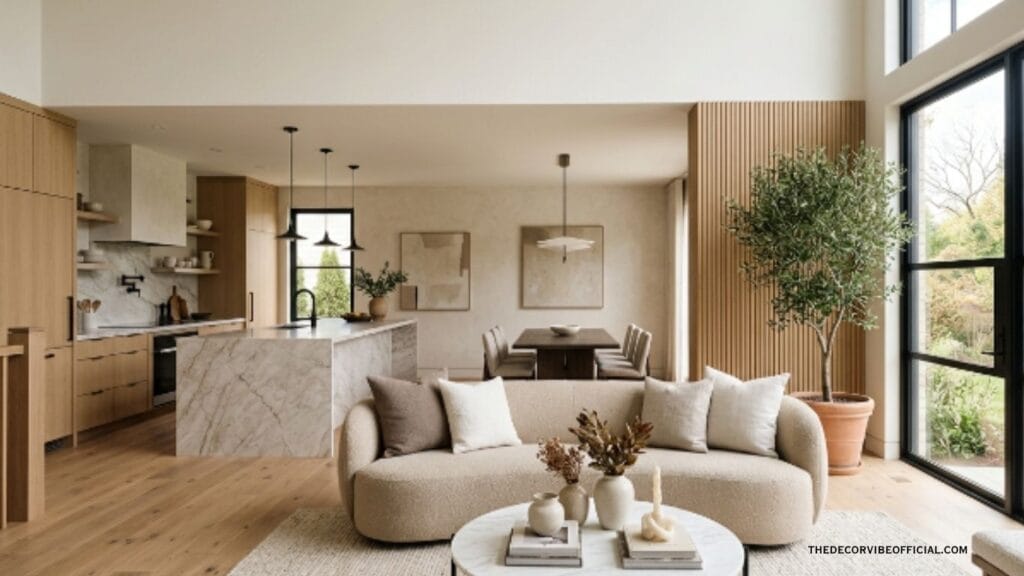
My neighbor’s apartment looks like it belongs in a magazine, and her rent is lower than mine. I used to think she had some secret design budget hidden somewhere, until she told me the truth over coffee: she shops the same stores I do. What she has instead is a list of small, repeatable choices designed to make your home look expensive without the matching price tag. This conversation sent me down a real rabbit hole of design tricks, and I tested every one of them in my own place before writing this list.
Below sit 25 modern home interior design tips, built to work in a studio apartment, a rented house, or a place you own outright. Each one is organized by category, so you know exactly where to start and what to skip.
Quick Jump: What Makes a Home Look Expensive · Lighting Tips · Color and Material Choices · Furniture and Layout · Small Styling Details · Architectural Touches · Budget Breakdown · Common Mistakes · Tips by Home Size · Where to Shop · FAQ · Final Thoughts
What Makes a Home Look Expensive (Without the Price Tag)
An expensive-looking home shares a few traits, no matter the budget behind it: warm light, real materials, careful scale, and a color palette used with confidence. None of these traits cost much on their own. What makes the difference is choosing them on purpose instead of by accident.
Scale and Proportion Over Quantity
Most rooms suffer from too many small things instead of too few big ones. One oversized mirror, one large piece of art, or one substantial rug does more visual work than five smaller pieces scattered around the same space.
Why Restraint Reads as High-End
A room with two or three colors feels considered. A room with eight feels chaotic, regardless of how nice each individual item looks. Designers lean on this constantly: fewer choices, made well, beat more choices made quickly.
Here’s a quick reference for which elements read as expensive in almost any room:
| Design Element | What Reads as Expensive |
|---|---|
| Lighting | Layered lamps, warm bulbs, dimmer switches |
| Hardware | Brushed brass or warm bronze finishes |
| Textiles | Linen, wool, or boucle over plain polyester |
| Wall Decor | One large piece instead of several small ones |
| Color Scheme | Two to three tones used with confidence |
With those basics in place, the 25 tips below build on each one, starting with the single fastest fix in any room: light.
Lighting Tips to Instantly Upgrade Any Room
Lighting changes a room faster than any other fix on this list, and it costs the least to test. These five interior lighting tips work in every room of the house.
Tip 1: Layer Your Light Sources
A single ceiling light flattens a room and leaves it looking unfinished. Add a floor lamp, a table lamp, and a few candles, then turn the overhead light off most evenings.
Room: Living Room Look: A floor lamp in the reading corner, a table lamp on the console, and a row of candles on the coffee table, with the ceiling light staying off most evenings.
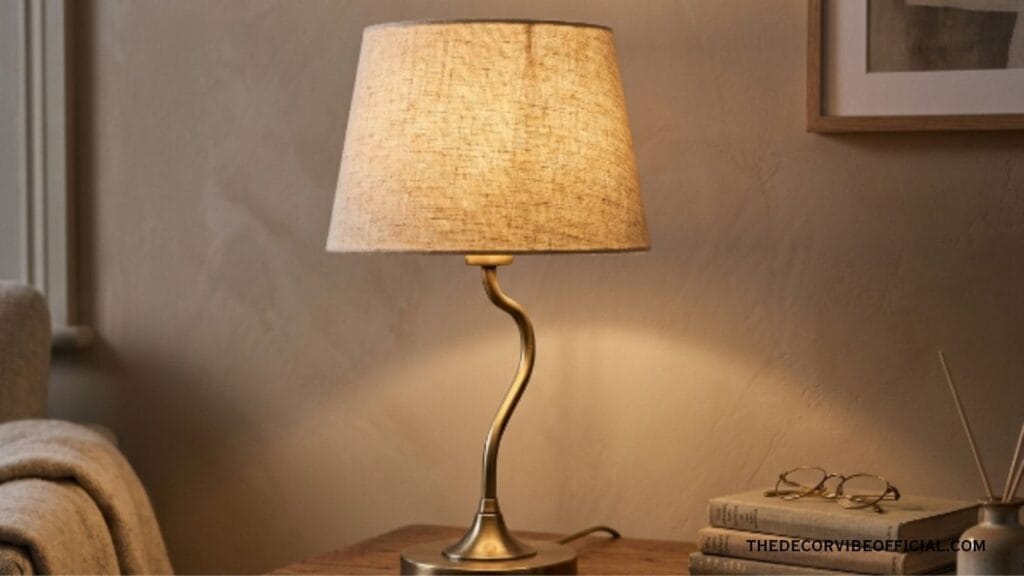
Tip 2: Swap to Warm-Toned Bulbs
Cool white bulbs belong in a garage, not a living room. Warm white bulbs, usually labeled around 2700K, give furniture and walls a golden glow instead of a clinical one.
Tip 3: Hang Curtains Close to the Ceiling
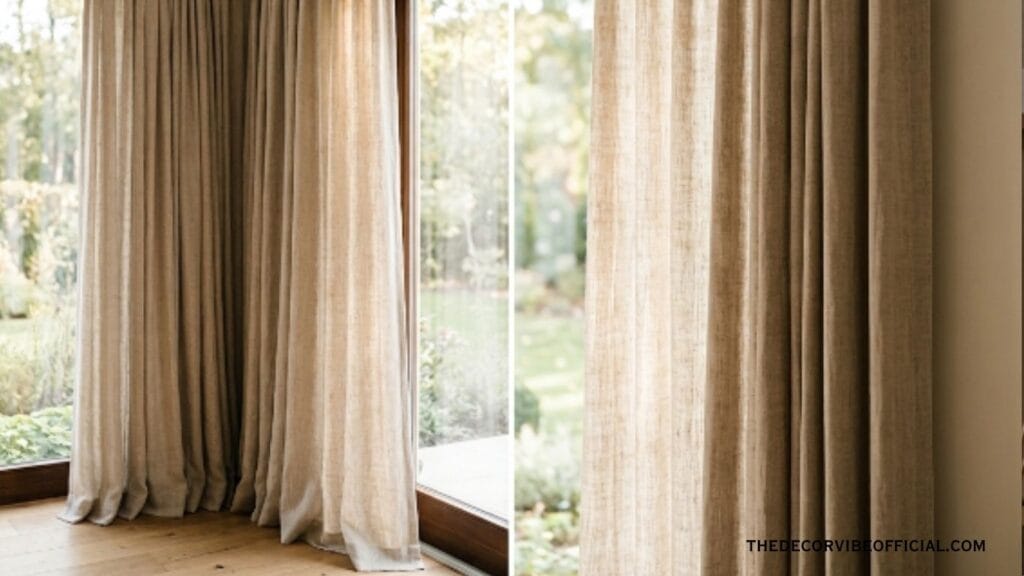
Mounting curtain rods a few inches from the ceiling instead of right above the window tricks the eye into reading taller walls and bigger windows.
Tip 4: Choose One Statement Fixture
A single sculptural pendant or chandelier over a dining table or kitchen island gives a room a focal point, the same way good jewelry pulls an outfit together.
Tip 5: Add Dimmers Wherever Possible
A dimmer switch turns one fixture into several moods: bright for cleaning, soft for dinner, low for movie night. Most cost under thirty dollars and take a single evening to install.
Color and Material Choices for a High-End Look
Color and texture set the tone of a room before anyone notices the furniture. These five tips cover the luxury color palette choices worth making first.
Tip 6: Pick a Tone-on-Tone Palette
Sticking to one color family, layered in different shades, reads far more polished than mixing five unrelated colors. Oatmeal walls with a cream sofa and camel throw pillows feel curated rather than random.
Room: Bedroom Look: Oatmeal walls, a cream linen duvet, a camel throw blanket folded at the foot of the bed, and a single walnut nightstand holding one ceramic lamp.
Tip 7: Paint Interior Doors a Color
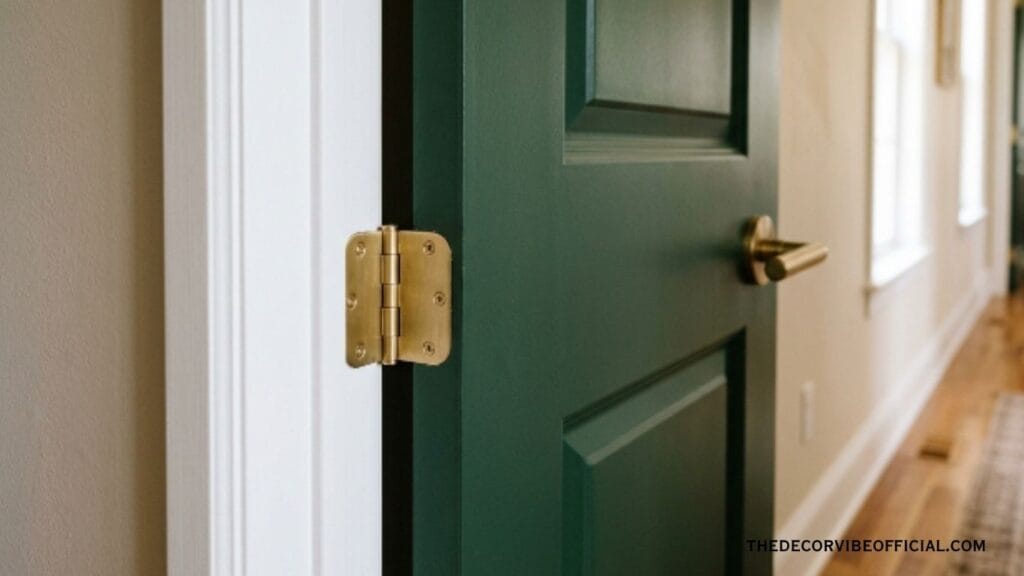
Plain white doors disappear into the wall. A deep green, charcoal, or navy door adds a small architectural moment without touching a single wall.
If you love decorating with calming, timeless colors, explore our Sage Green Bedroom Ideas for more inspiration.
Tip 8: Mix Antique and New Pieces
A room built entirely from one store looks like a showroom, not a home. One vintage find, even a small side table from a thrift shop, gives a space a sense of history.
Tip 9: Choose Natural Materials Over Synthetic
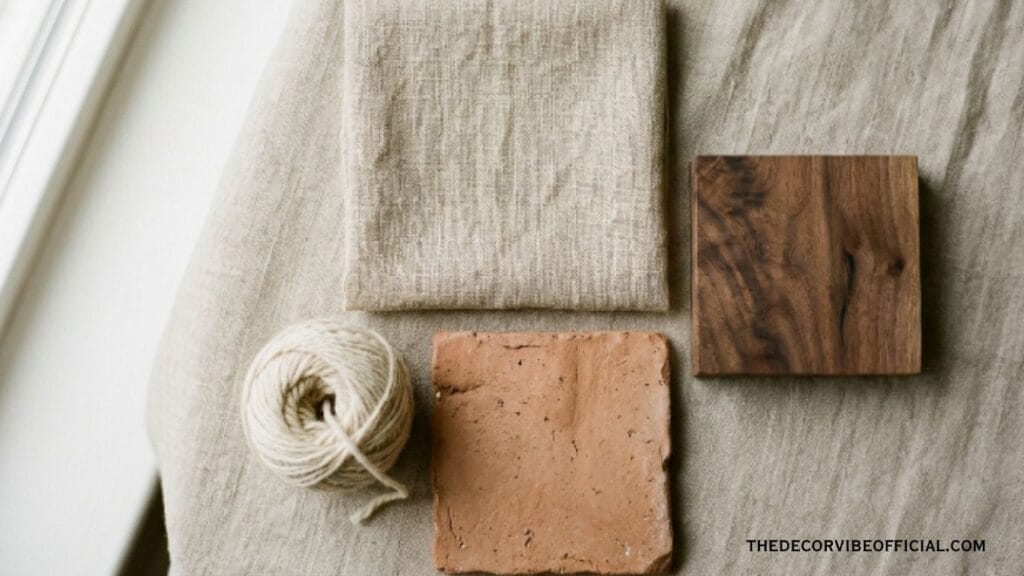
Linen, wool, walnut, and ceramic age well and photograph better than their synthetic stand-ins. Polyester pillow covers and faux wood laminate read as cheap the moment light hits them at an angle.
Tip 10: Use White or Cream Bedding and Towels
Hotels rely on white linens for a reason: they read as clean and high-end at any price point, and they hide nothing.
Room: Bathroom Look: White waffle-weave towels rolled and stacked on an open shelf, a cream bath mat, and one amber glass soap dispenser on the counter.
Furniture and Layout Tips for an Expensive Look
Furniture arrangement matters as much as the furniture itself. These five tips cover how to place and choose pieces so a room feels designed instead of assembled.
Tip 11: Stop Buying Matching Furniture Sets
A bedroom set bought as one box checks every shade against itself, and the result reads as a catalog page. Mixing finishes and eras instead feels personal and far more expensive.
Tip 12: Choose Fewer, Larger Pieces
One substantial armchair beats three mismatched small chairs crammed into the same corner. Bigger, fewer pieces give a room breathing room and a sense of scale.
Tip 13: Repurpose Furniture Between Rooms
Moving a side table from the bedroom into the living room, or a chair from a guest room into a reading nook, refreshes a space without spending anything at all.
Tip 14: Add a Built-In Look with Trim
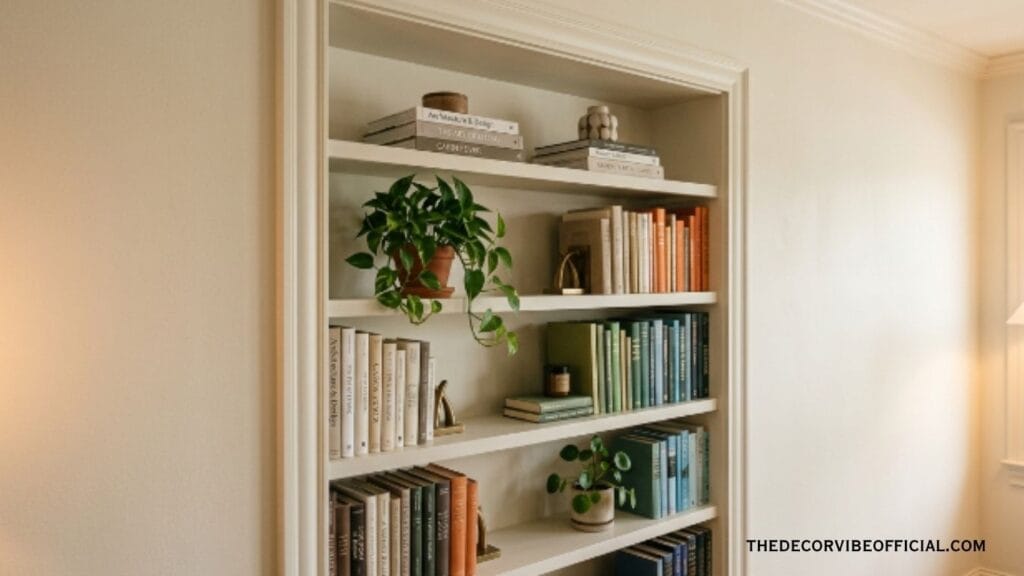
A plain bookshelf framed with simple wood trim and painted to match the wall starts to look like it was built into the house, not added later.
Tip 15: Leave Breathing Room Around Furniture
Pushing every piece against the wall makes a room feel like a waiting area. Pulling a sofa a few inches off the wall, with room to walk around a chair, feels far more deliberate.
Small Styling Details Making a Big Difference
Once the bigger pieces sit right, small styling details finish the look. These five home styling tips take an afternoon, not a renovation budget.
Tip 16: Hang One Oversized Mirror A large mirror
bounces light around a room and adds the kind of presence a dozen small frames never will.Room: Entryway Look: One large arched mirror
leaning against the wall above a narrow console table, a small ceramic dish for keys, and a single stem of greenery in a glass vase.
Tip 17: Upgrade Cabinet and Door Hardware
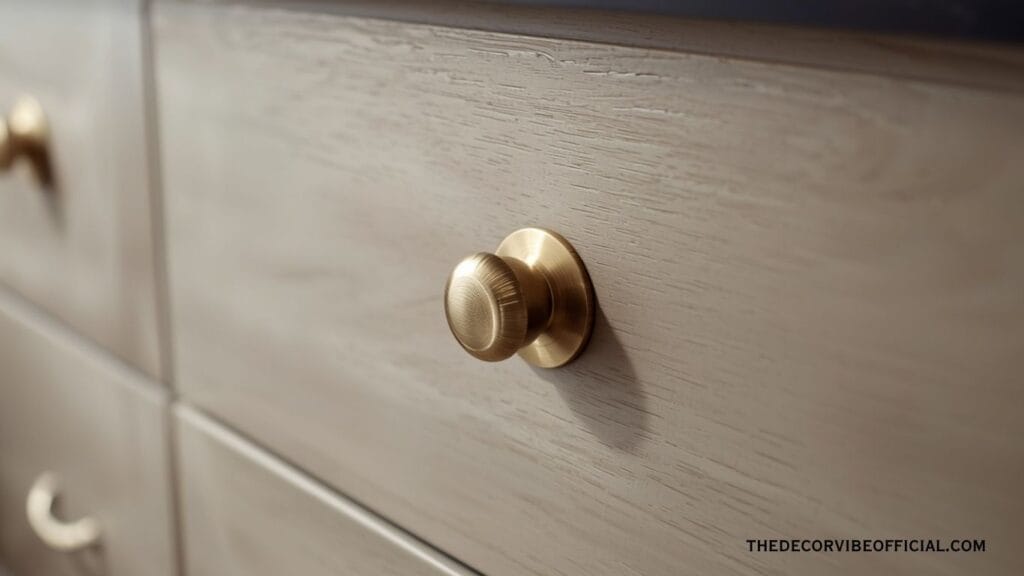
Swapping plain knobs for brushed brass or warm bronze pulls changes the entire feel of a kitchen or bathroom in an afternoon, with no tools beyond a screwdriver.
Tip 18: Style a Monochrome Gallery Wall A gallery
wall built from mismatched frames in random colors reads as cluttered. The same wall, built from similar frames in one or two tones, reads as a real collection.
Tip 19: Add Fresh Greenery, Not Plastic
A few real plants, even small ones, bring life into a room in a way fake greenery never quite matches. Faux plants gathering dust are an easy giveaway.
Tip 20: Decant Everyday Items Into Nice Containers
Soap, cotton balls, pasta, and cleaning supplies look different in glass jars and ceramic dispensers than they do in their original plastic packaging. The contents stay the same. The presentation does the work.
Architectural and Finishing Touches Worth the Investment
These five tips cost a bit more time or money than the earlier ones, but they add the kind of interior finishing touches builders charge extra for.
Tip 21: Add Crown Molding or Wall Trim
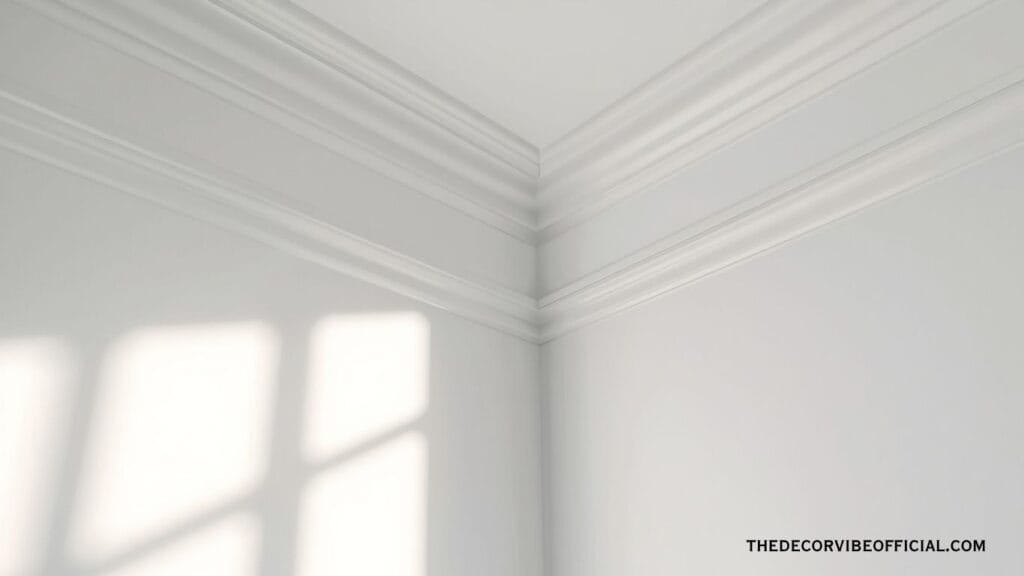
Crown molding closes the visual gap between wall and ceiling. A plain rental missing this detail reads as unfinished, even with nice furniture inside it.
Tip 22: Invest in a Real Wood or Stone Surface Somewhere
A home doesn’t need marble counters everywhere. One real surface, a wood desk, a stone side table, or a marble tray, anchors a room and makes the surrounding pieces feel more substantial by association.
Room: Home Office Look: A solid walnut desktop on simple black metal legs, one leather desk chair, and a small stone coaster holding a candle beside the laptop.
Tip 23: Layer Rugs Instead of One
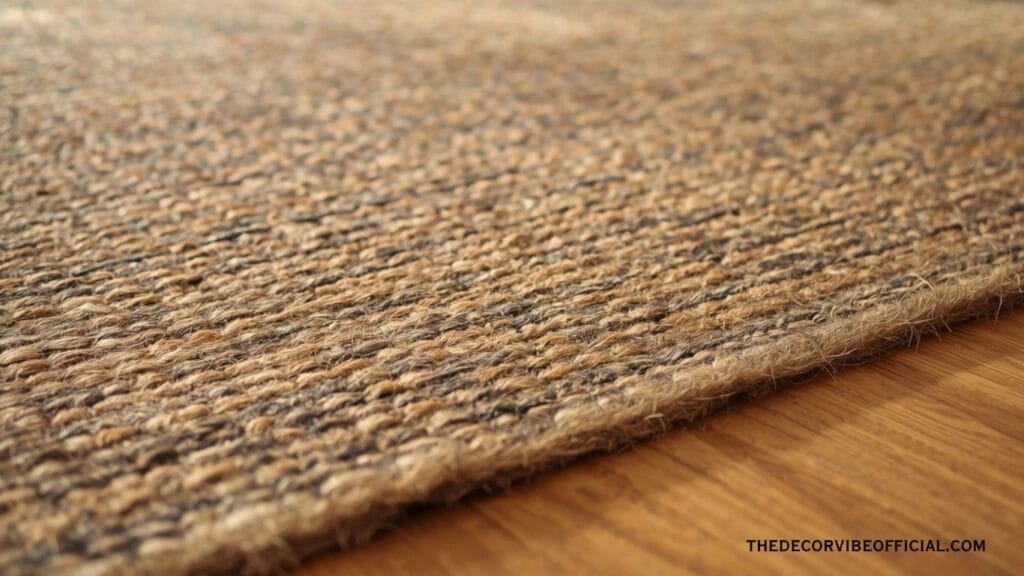
Small One A small rug floating in the middle of a large room looks like an afterthought. Two rugs layered together, a larger jute base under a smaller patterned one, look planned.
Tip 24: Swap a Hollow Door for a Solid One
Hollow interior doors sound cheap the moment someone closes one. A solid core door, even left in the same paint color, sounds and feels more substantial right away.
Tip 25: Add a Signature Scent
A consistent candle or diffuser scent throughout a home creates the kind of sensory polish hotels rely on, and it costs less than almost anything else on this list.
Budget Breakdown:
Getting This Look at Every Price Point A full renovation isn’t the only path to this look. Modern interior design on a budget comes down to choosing the right tier for each tip above.
Under $50
Warm white bulbs, new cabinet hardware, a candle, and a thrifted vase or frame fit comfortably here. These small swaps cover roughly a third of the tips on this list.
$50 to $250
A floor lamp, a layered rug pair, paint for one door, or a large secondhand mirror land in this range and deliver a visible shift in how a room reads.
$250 and Up
Save this tier for the pieces touched daily: a solid wood desk, a real stone side table, or a well-made sofa. These purchases earn their cost over years of use.
Common Mistakes Making a Home Look Cheaper Instead of Expensive
A few habits quietly work against an otherwise well-planned room. These interior design mistakes to avoid show up in budget and high-end homes alike.
Buying Too Much at Once
Filling every empty corner in one shopping trip leads to a rushed, mismatched room. Spacing purchases out over a few months gives each piece room to earn its spot.
Ignoring Scale
A small lamp on a large table, or a tiny rug under a big sofa, throws the whole room off balance. Measuring before buying prevents most of this.
Did You Know: Most interior designers recommend choosing light fixtures and rugs at least one size larger than instinct suggests, since rooms tend to shrink furniture visually once it’s placed inside them.
How to Apply These Tips in Any Home Size
Square footage changes which tips matter most, not whether the look is reachable.
Small Apartments and Rentals
Focus on what travels with you: lighting, hardware, textiles, and one statement mirror. Skip permanent changes like molding unless your lease allows it.
Average-Size Homes
This size handles nearly every tip on this list at once: layered lighting, a tone-on-tone palette, upgraded hardware, and one or two architectural touches like trim or a painted door.
Large or Open-Concept Homes
Bigger spaces need repetition to avoid feeling empty. Echo the same metal finish and color family across the kitchen, living room, and dining area so the whole floor reads as one considered space, the same way a cozy living room pulls its warmth from repeated textures rather than a single piece.
Where to Shop for an Expensive-Looking Home on Any Budget
Material quality matters more than store name when shopping for this look.
What to Check Before You Buy
Check fabric labels for linen, cotton, or wool blends over fully synthetic options. Look at hardware for solid metal weight rather than lightweight plastic finished to look like brass. A luxury kitchen and a budget one often use the exact same cabinet boxes. What differs is the hardware and the counter surface.
Price Tiers and Where They Fit
Budget retailers cover hardware, candles, and small accessories well. Mid-range home stores handle lighting and rugs. Save higher-end spend for the one or two pieces in each room you touch every day.
Frequently Asked Questions
What’s the fastest way to make a room look more expensive?
Layered lighting and warm bulbs change a room in one evening. Swap your bulbs to warm white, turn off the main overhead light, and turn on two lamps instead. The shift in mood happens before you buy anything else.
Do I need to repaint everything to get this look?
No, paint is one tool among many. A single accent door, trim line, or accessory wall does more for the budget than repainting an entire home, and it keeps the project manageable in a weekend.
Does a Small Apartment Look Expensive on a Tight Budget?
Yes, scale and restraint matter more than square footage. Choose one large piece per room instead of several small ones, add warm lighting, and keep the color palette to two or three tones.
What colors make a home look more expensive?
Warm neutrals like cream, oatmeal, and taupe form a safe base, photographing well in any light. Deeper tones like forest green, charcoal, or terracotta add confidence when paired with warm lighting and natural materials.
Is White the Only High-End Color Option?
White works well, but it isn’t the only option. Sage green, deep navy, and warm charcoal read as high-end too, especially paired with brass hardware and natural wood tones throughout the room.
Final Thoughts
My neighbor’s secret turned out to be a list, not a budget. Pick five tips from this one, start with the cheapest option this weekend, and build from there over the next few months. Next time someone asks how you afford a home looking this put together, you’ll have a real answer instead of a shrug.